Sperectomy
Midnight's ChildrenSperectomy names the draining-out of hope. Saleem Sinai coins the term for the loss inflicted on the Midnight’s Children during their forced sterilization: the operation removes not only their ability to reproduce, but also their extraordinary gifts and, in his account, their capacity to imagine a future. The word joins medical language to political violence, while the narrative places that imposed despair beside more tentative forms of care, memory, and hope.
Definition and Political Use
Saleem constructs the word from the medical suffix for cutting something out. After listing familiar operations, he adds an excision that belongs, he says, properly to history even though medical science is involved. Sperectomy is his name for draining hope. The coinage makes an intangible loss sound like a procedure: hope is treated as something that can be removed from a person by an organized power.
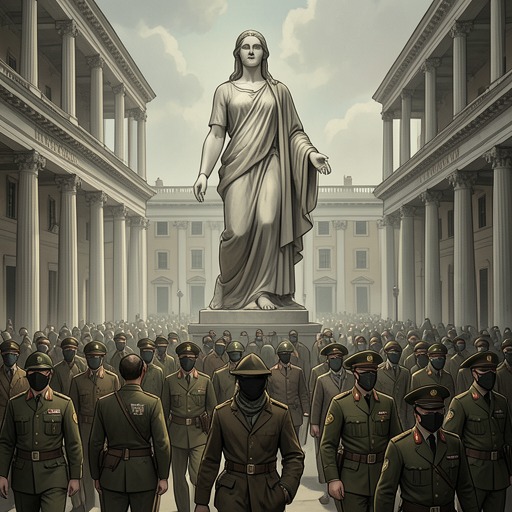
The term appears as Saleem recounts the Widow’s approach to the children’s imprisonment. He says that instead of subjecting them to ordinary torture, the regime first gave them hope, so that there would be something greater to take away. The reversal is central to his account: hope is not simply the opposite of persecution but part of its method, because the promise of unity and release makes the ensuing loss more devastating.
Sterilization and the Loss of Possibility
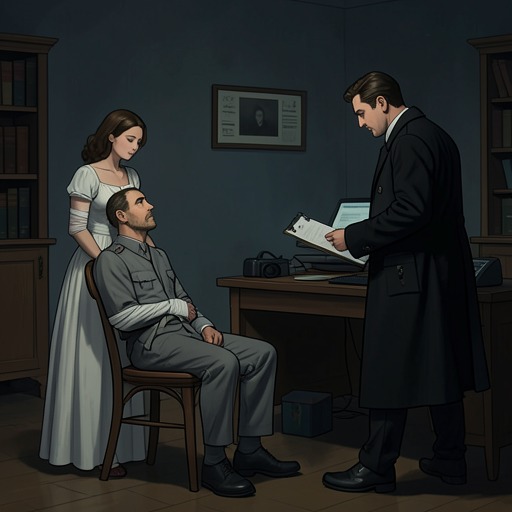
The physical operation is presented as irreversible. Over eighteen days, the children undergo procedures at an average rate of 23.33 a day. Saleem distinguishes this from operations that might be reversed: the Midnight’s Children are permanently deprived of the possibility of reproducing themselves. He describes this as only one consequence, however. The operation also drains hope, and the children awaken to learn that their magical capacities have been taken away.
The consequences differ among the children. Saleem says that the loss of his telepathy is less than what many others suffer, because that ability had already been removed. His extraordinary sense of smell remains. For those whose gifts were intact, the loss means that powers such as multiplying fish, transforming base metals, flight, and lycanthropy are no longer possible. The narrative connects these powers to the children’s sense of a remarkable future: their removal leaves them asking what they are now, reduced to a tiny fraction of the population and stripped of the promise that had distinguished them.
Hope, Memory, and Care
Sperectomy does not stand alone in the novel’s treatment of hope. Earlier, Mary Pereira’s pickles carry guilt and fear of discovery, while the food Reverend Mother serves is associated with determination and resistance. Amina absorbs these emotional qualities through eating; the household’s food becomes a means by which its inhabitants affect one another. That material, domestic form of influence contrasts with the regime’s power to take hope away.
Saleem also defends his storytelling as an act of care for his son. He says he is preserving his account so that his son will know it after Saleem has lost his struggle with bodily cracks. Chutney helps his listeners return to the world of the past, and he insists that memory creates its own version of events. Later, as the Midnight’s Children endure captivity, he briefly imagines that their enforced proximity has united them across former divisions. He recognizes that this optimism cannot last, but the episode shows how collective memory and solidarity can briefly counter the isolation that Sperectomy imposes.
An Uncertain Future
Padma’s marriage proposal gives the novel another provisional counterpoint. She insists that there is a future to consider and refuses to let Saleem’s fears settle the question. Her determination makes him wonder whether her care could alter the ending he expects for himself. Yet he does not present this hope as a cure: he recognizes that marriage cannot defeat death by itself and accepts the proposal while still believing himself caught in a pattern of fate.
At the close of the narrative, Saleem describes his pickles as attempts to give history shape and meaning despite the distortions of preservation. He hopes that readers may recognize their taste as authentic and as acts of love. This hope is modest beside Sperectomy: it cannot restore the children’s lost powers or undo the operation, but it offers a way to preserve experience and pass it on. The novel thus leaves hope neither intact nor wholly extinguished, but vulnerable, reconstructed through narration and care.